QR stands for Quick Response. The name describes exactly what its inventors wanted: a code that a scanner could read almost instantly.
Where the QR code came from
In the early 1990s, Japanese car factories tracked parts with traditional barcodes. Workers had to scan many barcodes per box, and each barcode held only a little information.
In 1994, a team at Denso Wave, part of the Toyota group supplier Denso and led by engineer Masahiro Hara, created a two dimensional code that could hold much more data and be read from any angle. They called it the QR Code.
Denso Wave chose not to enforce its patents, so anyone could use the format for free. The code was later standardized internationally, and that openness is a big part of why it is everywhere today.
How a QR code works
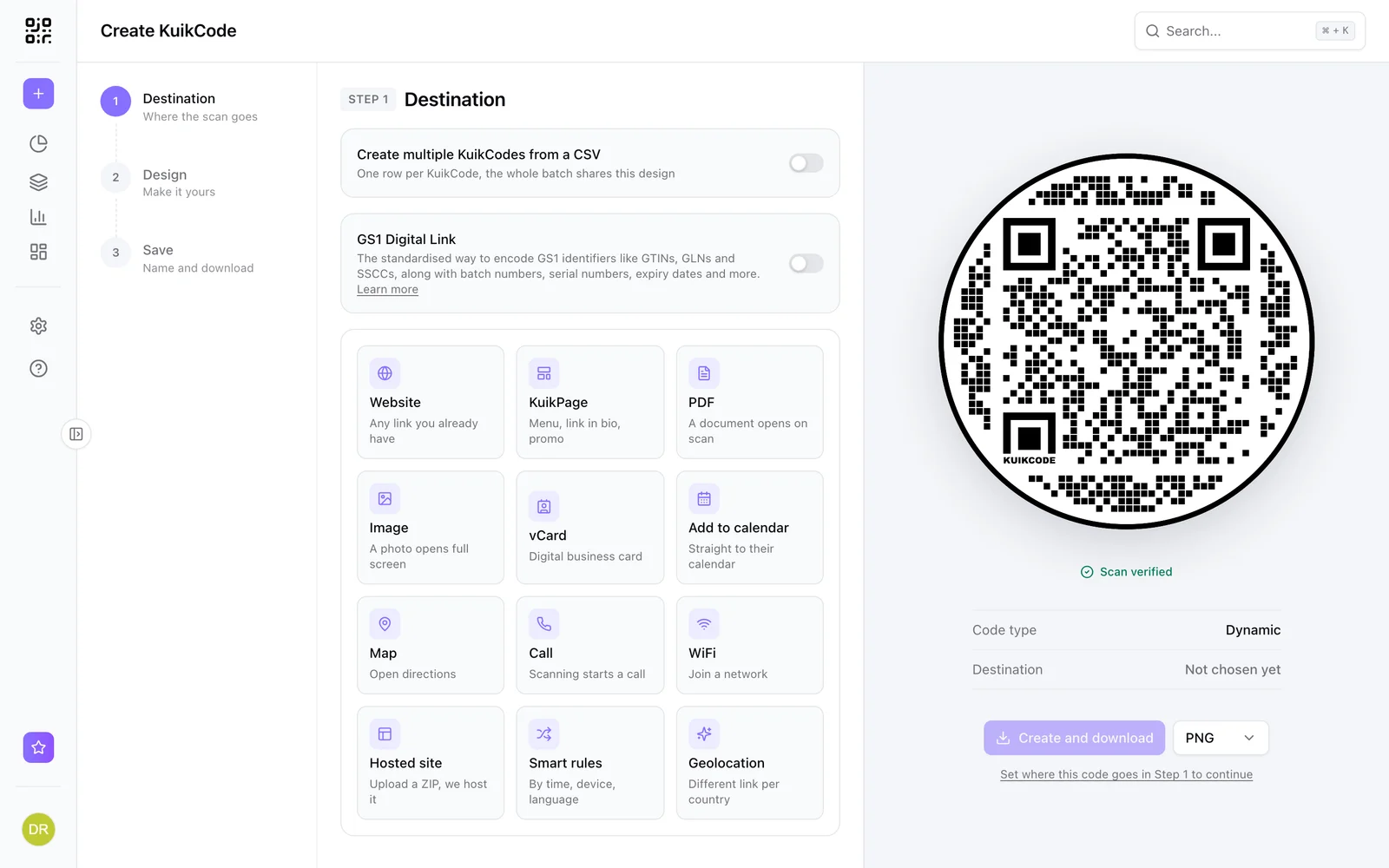
A QR code is a grid of dark and light squares called modules. A few parts do special jobs:
- Finder patterns. The three large squares in the corners let a camera find the code and work out which way up it is.
- Timing patterns. Alternating lines of modules help the scanner measure the grid.
- Format information. Small areas near the corners tell the scanner how the data is encoded.
- Data and error correction. The rest of the grid holds your content, plus extra data that allows repairs.
Why a QR code still works when part of it is covered
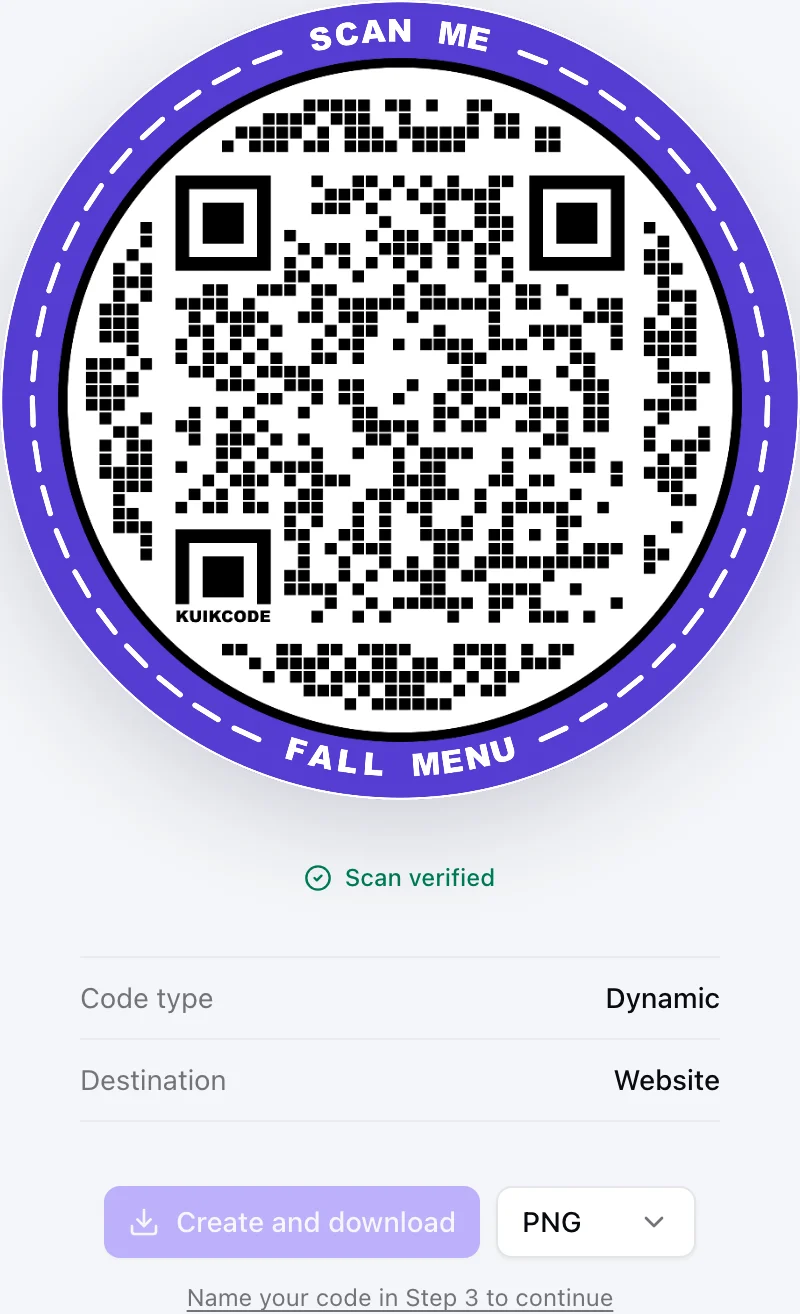
QR codes include error correction. Depending on the level chosen, a code can still be read with roughly 7 to 30 percent of it damaged or covered. That is what makes a logo in the middle of a code possible, and why a slightly scratched sticker still scans.
From factories to phones
For years QR codes needed a special scanning app, so they stayed mostly industrial. That changed when phone cameras learned to read them natively. Suddenly anyone could scan a code without installing anything.
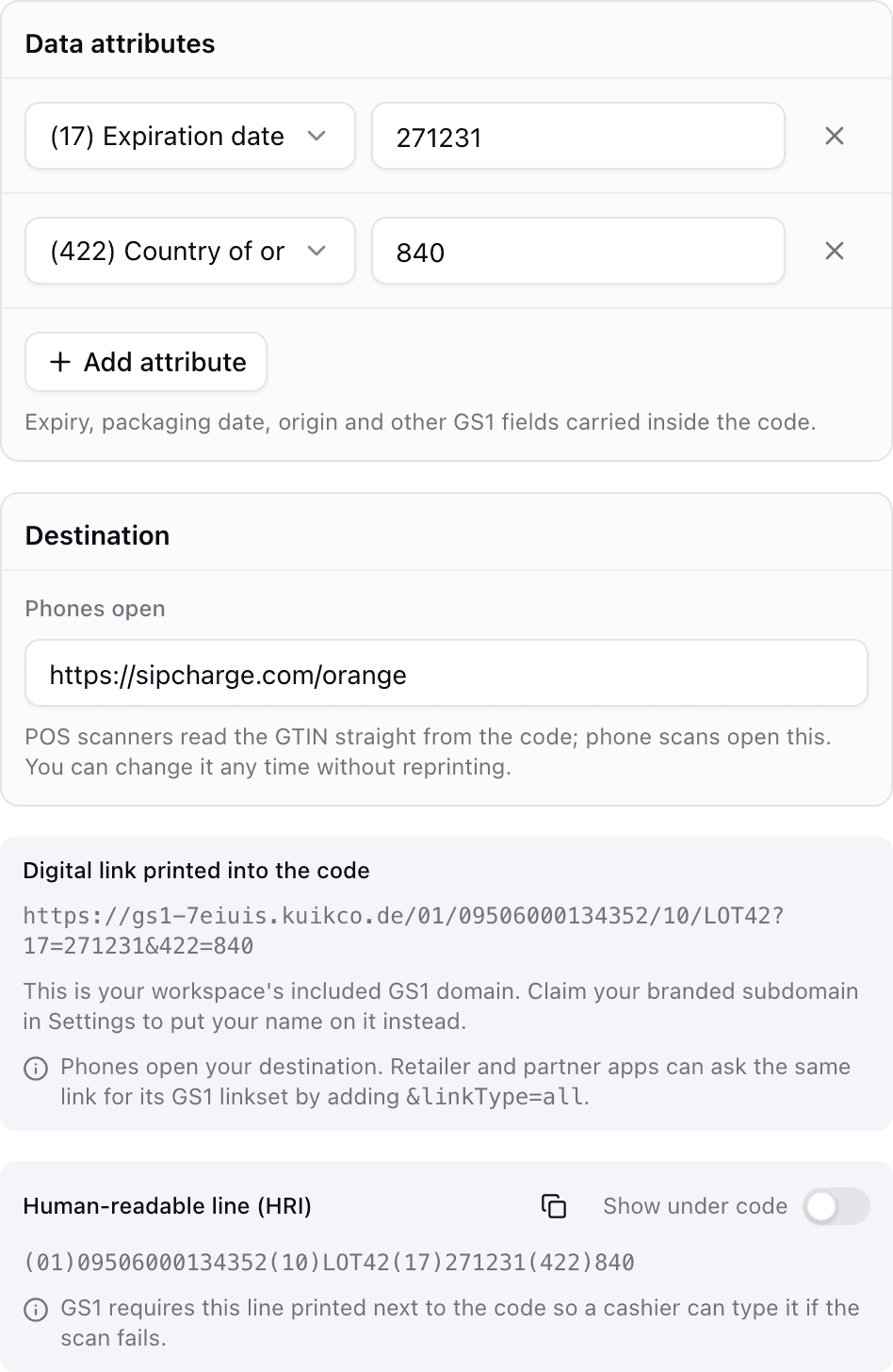
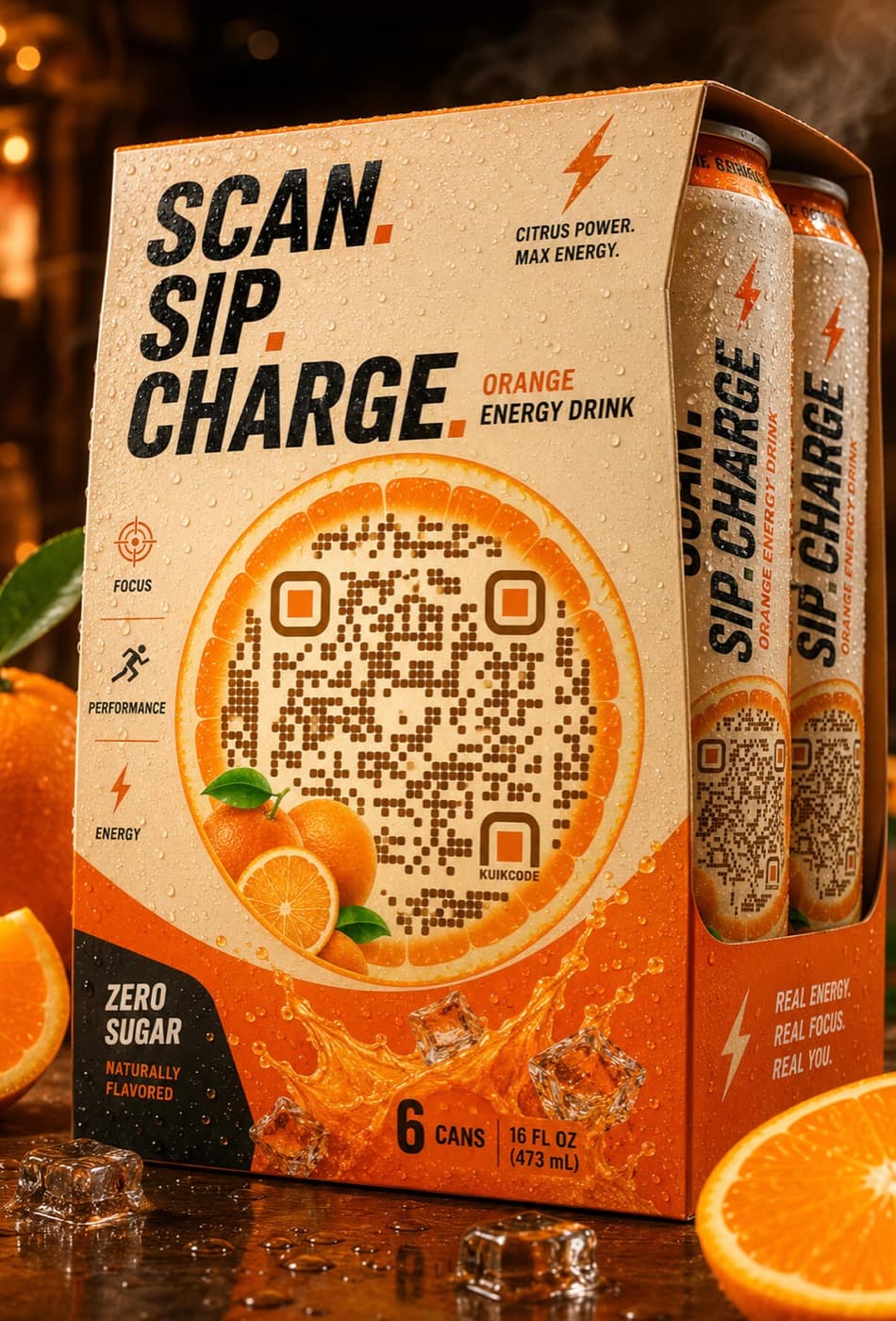
Restaurants moved menus behind codes, events put them on tickets, brands put them on packaging, and today retailers are preparing registers to read them too, through standards like GS1 Digital Link.
Static and dynamic codes
Every QR code stores some text. When that text is the final content, the code is static. When it is a short link that forwards somewhere you can change, the code is dynamic. Our guide to dynamic QR codes explains why most businesses print dynamic ones.
QR Code is a registered trademark of DENSO WAVE INCORPORATED.
Frequently asked questions
01What does QR stand for?+
QR stands for Quick Response. The name reflects the goal of the original design, a code that scanners could read much faster than earlier 2D codes.
02Who invented the QR code?+
The QR code was developed in 1994 by a team at Denso Wave, then part of the Japanese automotive supplier Denso, led by engineer Masahiro Hara.
03Is the QR code free to use?+
Yes. Denso Wave holds patents on the QR code but chose not to enforce them, which is a big reason the format spread so widely. QR Code is a registered trademark of Denso Wave.
04How much data can a QR code hold?+
The largest standard QR code can hold several thousand characters. In practice, codes that people scan with phones hold far less, often just a short web address.